.jpg)
Sustain to Survival:
Protecting What Sustains Us"
Our future depends on the choices we make today. By saving every drop of water, planting trees, and stopping deforestation, we restore life to our ecosystems. When we refuse single-use plastic and curb air pollution, we clear our skies and protect our health. Simultaneously, safeguarding our historical monuments preserves our cultural identity for generations to come. Together, these simple actions build a clean, green, and everlasting legacy.

STAY PURE
Save Water: The Gift of Life
Water is the foundation of all life, yet our daily negligence is pushing our ecosystems and communities toward severe crisis. From leaving taps running and wasting water in household chores to over-extracting groundwater and polluting local rivers with sewage and industrial waste, we are depleting a vital resource that takes centuries to replenish. India supports nearly 18% of the world's population with only 4% of its global freshwater resources—and major cities are already teetering on the edge of severe water scarcity. Every drop wasted today steals from the clean water future generations will desperately need to survive. Saving water is no longer just a good habit; it is our duty to protect life itself


BREATHING ROOM
Choking Our Choked Cities: The Silent Crisis of India’s Air Quality
Our daily choices are poisoning the very air we breathe. From unchecked vehicle emissions and industrial smoke to crop burning and construction dust, human activity is driving severe environmental degradation. According to global air quality rankings (IQAir), 83 of the world’s 100 most polluted cities are in India—leaving over 90% of our population exposed to toxic air far exceeding safe limits. It is time to act before clean air becomes a luxury of the past."
LEGACY STRENGTH
Vandalizing Our Past: How Scratched Names and Chalked Hearts Are Erasing India’s History
Our ancient forts, stepwells, caves, and temples stand as enduring symbols of India’s rich cultural legacy, yet they face a quiet, destructive threat from within. Every day, historic sandstone and centuries-old masonry are defaced as local teens and couples carve their initials, draw hearts, and write personal messages across protected walls. What many view as a innocent token of affection causes irreversible physical damage, stripping away original carvings, eroding ancient lime plaster, and permanently disfiguring our shared heritage. True love should build memories, not destroy history—it is time to respect, protect, and preserve the monuments that define our identity before our past is scraped away forever."


PRIORITY ONE
Suggested Heading
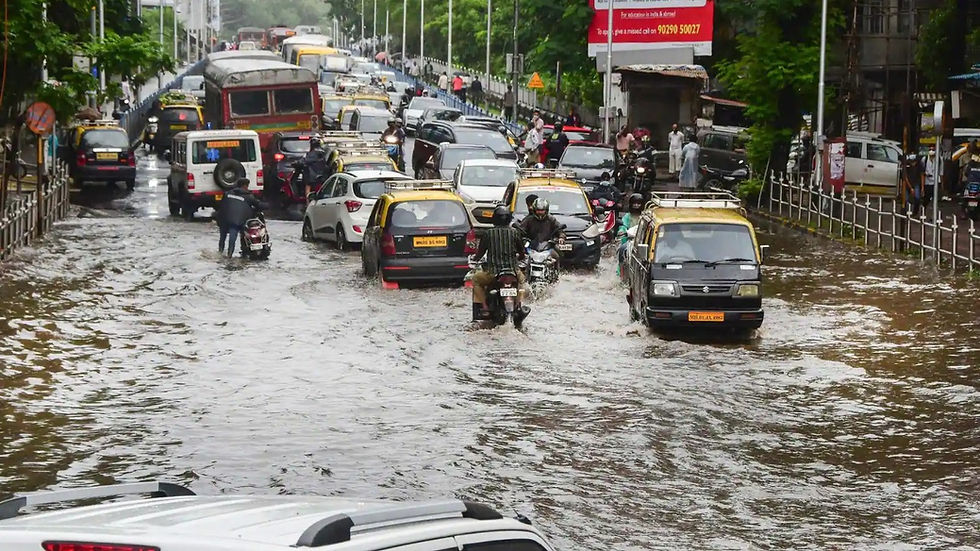
"Choking Our Drains, Submerging Our Cities: How Plastic Waste Turns Rain into Monsoon Chaos
Every rainy season, cities across India grind to a halt as roads transform into overflowed rivers and water logs into homes. While heavy rainfall is a natural weather event, the resulting urban flooding is a man-made crisis. Flimsy plastic carry bags, food wrappers, and household garbage—thrown carelessly onto streets and open naalis (drains)—sweeps directly into urban storm-water networks. This plastic waste does not decompose; instead, it forms dense, impermeable blockages that choke gully pits, jam pumping stations, and trap millions of liters of rainwater on our roads. By treating roadside drains as garbage dumps, our daily habit of littering single-use plastic directly drowns our cities, creates toxic waterlogging, and paralyses everyday life


Protect our Holly River
Poisoning the Sacred: How Neglect and Open Defilement Are Killing India’s Holy Rivers
For centuries, rivers like the Ganga and Yamuna have been revered as sacred lifelines, central to our faith, culture, and survival. Yet, an alarming paradox defines our relationship with them today: while millions bow to pray on their banks, we treat their waters as open sewer lines. From dumping raw household sewage, plastic waste, and industrial effluents to open defecation and urination along riverbanks, human negligence is turning our holiest waters into toxic hazards. Fecal coliform levels along major urban stretches far exceed safe bathing limits, creating severe health risks for millions who rely on these rivers daily. True devotion lies in preservation, not pollution—protecting our sacred rivers demands an immediate end to toxic dumping and open defilement.